Reindustrialization in France is not dead

France has experienced several upheavals in its industrial history. If industrialization started late, in the 19th century, it took off considerably until the 1970s before suffering a serious halt from the 1980s. Economic crises, oil shock, and especially relocations have weakened French industry. However, despite these challenges, the sector has never completely disappeared.
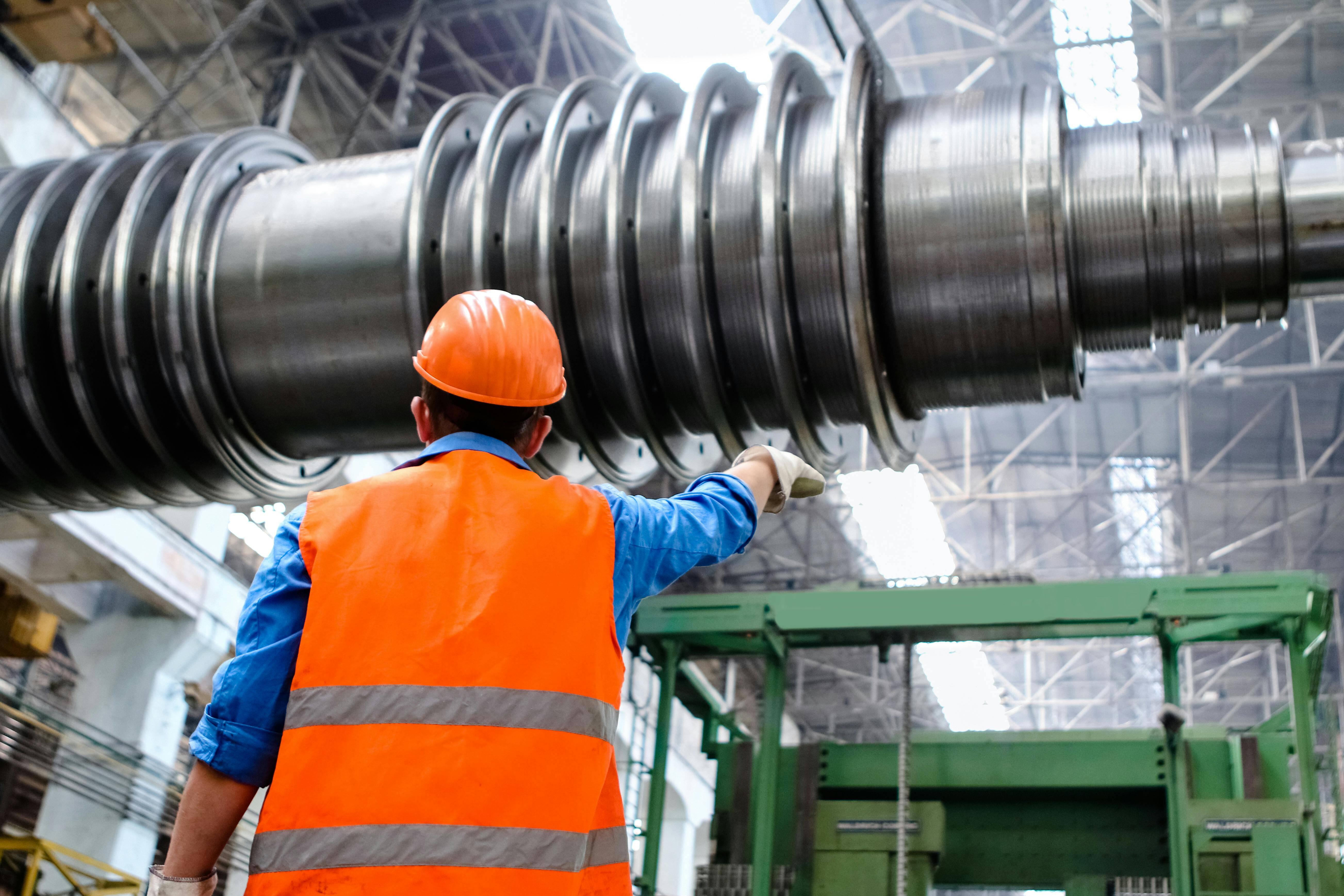
Today, the reindustrialization of France is an ambitious project currently underway, supported by targeted investments in strategic sectors. This renewal takes place in a context of globalization and strong technological evolution, with digitization as an essential driver. A concrete example of this dynamic is the France 2030 initiative, launched in October 2021 by President Emmanuel Macron, aiming to transform the French economy, particularly through energy transition and technological innovation.
The importance of digital technology in reindustrialization
In this context, the place of digital technology is crucial. Industry 4.0, integrating the Internet of Things (IoT), advanced software and other technologies, represents a major lever for improving the competitiveness of industrial companies. Those who adopt these digital technologies will benefit from a decisive advantage on the global market.
The nuclear sector, for example, benefits from strategic support with the development of small modular reactors (SMR), supported by an investment of 300 million euros for EDF which is creating its subsidiary NUWARD (abbreviation of "NUclear forWARD"). This initiative aims to increase France's energy capacity while reducing its carbon footprint. In this sector, digitization ensures optimal traceability of data at every stage of production, from raw material to finished product. Solutions like the one proposed by olome Nuclear integrate digital technology from the collection of raw material, allowing each actor (from the subcontractor of the subcontractor to the final client) to access traceability while guaranteeing a high level of security.
The automotive sector is also undergoing modernization. The objective is to produce nearly 2 million electric and hybrid vehicles by 2030, with state aid of 5 billion euros to support SMEs in adopting new technologies and new industrial models.
Why is digital technology an asset from the creation of an industrial company?
In 2024, data management becomes a fundamental pillar of digital transformation. According to a study commissioned by MEGA International, companies manage on average 3 petabytes (PB) of data, or more than a million gigabytes (GB). To better understand this dimension, let's take the example of smartphones: a person consumes about 15 GB per month, or 180 GB per year. In other words, the amount of data managed by a company in a year is equivalent to what millions of people would use in a few years with their smartphones.
Good management of this data can translate into considerable productivity gains. Here are some examples of concrete benefits:
-
Improved maintenance management: Digitization simplifies the tracking of interventions and better manages the equipment fleet. For example, olome clients note a 15% time saving on the management of their fleet thanks to the Equipment module of its SaaS software.
-
Inventory optimization: Precise inventory management avoids the risks of under-stocking or over-stocking, which can lead to delivery delays or high storage costs. The automatic alerts offered by olome Inventory help keep inventory up to date and reduce human errors.
-
Personnel management: Work permits, such as CACES, must be tracked regularly. Digital technology allows for better management of employee assignments, their training and the validity of their certifications. Solutions like olome People allow complete tracking of assignments and qualifications.
-
Improved communication with clients: SaaS software, such as olome Open Sharing, facilitates the exchange of information with clients, allowing instant access to operating procedures, technical sheets and other contractual documents.
These digital solutions, ERP, SaaS, CMMS or CAPM software, are essential tools for industrial companies from their creation. If digital transformation is possible at any time, starting with a solid digital strategy guarantees sustainability and better competitiveness in the long term.
See ERP vs CMMS vs CAPM: The complete guide for Startups, White paper: How to onboard your teams during a SaaS software installation?
In conclusion, the reindustrialization of France relies on a strong desire to adapt to new technologies. Digital technology becomes indispensable to ensure the competitiveness of industrial companies. Whether it is data management, maintenance, inventory, or personnel management, digital solutions allow optimizing production and offering substantial gains. The France 2030 project and investments in strategic sectors testify to France's commitment to catching up industrially, while meeting the challenges of energy and digital transition.
Industrial companies that succeed in their digital transformation will have a decisive advantage. At the dawn of 2025, the French industrial sector is entering a new era where innovation and digital technology are the keys to its success and sustainability.